Webinar
The WILLIAM J. PIEPER, M.D. LECTURE
Q&A and In-Depth Clinical Consultation
with Martha Heineman Pieper, Ph.D.
Member Rates: Regular: $75 | Early Career Professional: $60 | Student: $50
Non-Member Rates: Regular: $85 | Early Career Professional: $65 | Student: $55
2.5 CEs for Psychologists, Social Workers, and Professional Counselors
Description
Q&A
In the first half of the webinar, distinguished author, psychotherapist, and child development and parenting expert, Dr. Martha Heineman Pieper, answers mental health professionals’ questions on Intrapsychic Humanism, which is a comprehensive, three-part theory of optimal child development and parenting, humanistic understanding of psychological pain, and Inner Humanism™ psychotherapy – a relationship-based approach to treating adults, teens and children. The questions were submitted for a LIVE webinar held on 10/16/21 from mental health professionals, including members of the Intrapsychic Humanism Society, clinical staff and trainees at Smart Love Family Services, as well as questions asked by attendees.
In-Depth Clinical Consultation
In the second half of the webinar, Dr. Pieper provides in-depth clinical consultation on several sessions from a psychotherapy treatment of an adult woman experiencing clinical depression and addiction.
What is different about child development and treatment in Intrapsychic Humanism?*
A contemporary, unified theory of psychological development, psychopathology, and psychotherapy, it addresses some of the most fundamental questions in psychology and the philosophy of mind:
- What constitutes human happiness? How can we pursue it?
- How do we experience subjective personal meaning? How do we acquire it?
- How do we live the good life?
- What is the cause of human unhappiness, emotional, behavioral, and relationship dysfunction? What can we do about it?
Intrapsychic Humanism offers unique answers to these questions, based on a unique understanding of our innate human nature to seek core personal meaning in being loved and cared for, which develops through a caregiving relationship, in identifiable stages from infancy through early adulthood. When the caregiving is accurately informed, personal meaning in adulthood optimally conveys an inner well-being that sustains self-caretaking choices and the pursuit of genuine pleasure fostering happy and fulfilling lives. The theory offers a humanistic understanding of the origins of inner unhappiness and barriers that keep us from creating close, loving relationships and the lives we truly want, while rejecting the view that unhappiness and inner conflict are inevitable aspects of human nature. Rather, it postulates that our need and motive for personal meaning can develop in an unstable, distorted form that gives rise to psychological emotional pain and behavioral and relationship dysfunction. The theory offers an approach to psychotherapy, called Inner Humanism, which aims to engage and strengthen the individual’s innate motives for personal meaning and interpersonal happiness through the empirical experience of being cared for in the therapeutic relationship.
Inner Humanism psychotherapy is being used by mental health professionals in independent practices and in Smart Love Family Services clinics to help clients of diverse ages, ethnicities, socio-economic status, races, sexual orientations, and diagnoses. Dr. Pieper serves as the clinical consultant to Smart Love Family Services, which is a non-profit agency that provides therapy to children and their families, and also offers a training program in Inner Humanism psychotherapy for practicum graduate students, interns, and postdoctoral fellows across the mental health fields. The understanding of child development also informs the Natalie G. Heineman Preschool and Kindergarten at Smart Love Family Services.
Learning Objectives
At the conclusion of the program participants will be able to:
- Describe two benefits of distinguishing between the process and content meanings of clients’ communications in an unfolding therapy process.
- Describe the importance of distinguishing between clients fixated (psychological pain) and non-fixated (developmental) motives in facilitating therapists’ decisions about when and how to respond with interpretations and other interventions, including when it is important to be active, and whether to give advice to a client.
- Describe why recognizing clients’ aversive reactions to pleasure aids therapists in tracking treatment progress, in understanding temporary regressions, and informing interventions.
- Describe what it means for a therapist or parent to keep personal and therapeutic caregiving motives separate, and list two examples of personal motives that commonly interfere in therapy processes.
*Learn more about What is Different about Intrapsychic Humanism?
If you would like an orientation to the theory and clinical approach, see our Spotlight Reading Program below.
Program Spotlight
ON DEMAND READING PROGRAM: The Privilege of Being a Therapist
You can find a succinct overview of the theory of child development in our Spotlight Webinar below.
Program Spotlight
ON DEMAND SEMINAR SERIES: A History of the Origins and Evolution of Intrapsychic Humanism
Presenter
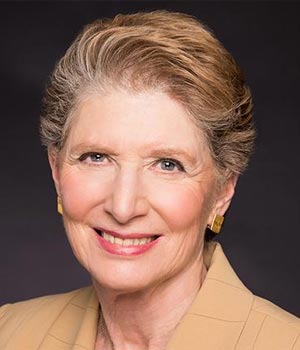
Martha Heineman Pieper, Ph.D.
Martha Heineman Pieper, Ph.D. is an author and psychotherapist who works with children and parents and serves as a consultant to agencies and other mental health professionals. She graduated from Radcliffe College and received her Ph.D. in clinical social work from the University of Chicago. She is a founding Board member of Smart Love Family Services, for which she provides ongoing consultation and insight to the clinical and early childhood education staff. She also serves on the Board of the Intrapsychic Humanism Society. Both of these non-profit agencies are based on Intrapsychic Humanism, the comprehensive psychology of child development, psychopathology and treatment developed by Dr. Pieper and her late husband, William J. Pieper, MD. in Intrapsychic Humanism: An Introduction to a Comprehensive Psychology and Philosophy of Mind (Falcon II Press, 1990), the best-selling parenting book, Smart Love: The Comprehensive Guide to Understanding, Regulating, and Enjoying Your Child (Smart Love Press, LLC, 2011), and the popular adult self-help book, Addicted to Unhappiness: How Hidden Motives for Unhappiness Keep You From Creating the Life You Truly Want, And What You Can Do (2nd Edition, Smart Love Press, LLC, 2019). Martha Heineman Pieper, Ph.D. also authored two best-selling, award winning children’s books, Mommy, Daddy, I Had a Bad Dream! (Smart Love Press, LLC, 2012) and Jilly’s Terrible Temper Tantrums: And How She Outgrew Them (Smart Love Press, LLC, 2017), as well as The Happiest Preschool: A Manual for Teachers with Kelly Perez (Smart Love Press, LLC, 2024). She has written and presented on Inner Humanism® psychotherapy, and also on applications of the theory of Intrapsychic Humanism to teaching, parenting, foster care, the question of free will, and children’s dreams and fantasy life, among other topics. Many of her presentations and articles are available as On Demand webinars for continuing education credit here.