Webinar

Celebrate Our
25th ANNIVERSARY
with Us!
Enjoy 25% Off
All ON DEMAND CE Webinars,
Seminars & Reading Programs!
Insights from the Pandemic Therapists Can Apply Every Day
to Strengthen Clients’ Self-Caretaking Behavior in the Face of Risks:
A Panel Discussion, Including Helping Therapists Manage Their Own Personal Reactions
Moderator: Carla Beatrici, Psy.D.
Presenters: Ilinka Novakovic, LCSW, Bill Pasola, Psy.D., Felicia Owens, Psy.D., Carol Johnson, LCSW
Member Rates: Regular: $90 67.50 | Early Career Professional: $75 56.25 | Student: $60 45
Non-Member Rates: Regular: $100 75 | Early Career Professional: $85 63.75 | Student: $65 48.75
3 CEs for Psychologists, Social Workers, and Professional Counselors
Description
This ON DEMAND webinar – originally a LIVE webinar when the COVID pandemic was raging – offers valuable insights that are applicable at any time in working reflectively through the therapeutic relationship to help clients take care of themselves in the face of risks. As mental health clinicians, we strive to respond to risks involving significant health and safety concerns and the pandemic brought about unprecedented challenges for clients and therapists. A panel of experts share clinical examples from cases of teens, adults, seniors, and minority parents to elucidate how they help their clients grapple with making choices facing unknown risks with sometimes life and death consequences.
The presenters discuss questions such as, “How can we best support our client’s self-caretaking motives to make choices that protect themselves and others? How can we strive to help our clients accept and mourn unprecedented losses when inevitable, and support our client’s motives to forego some forms of interpersonal pleasure for the sake of their own safety and that of others? How do we provide compassionate therapeutic support to help our clients feel connected and cared about while experiencing isolation and challenges that affect every area of their lives?”
On the therapists’ side, “How can we strive to regulate our own personal motives and reactions, including therapeutic ambition, while utilizing, preserving and strengthening the treatment alliance? How can we work through personal losses when clients may be engaging in risky behaviors but not open to intervention? How do we best manage our own feelings or difficult personal experiences that we may be dealing with while going through similar challenges?”
Insights and strategies from Inner Humanism psychotherapy include:
- How meaningful change in self-care is fostered through the therapeutic caregiving relationship
- Ways of compassionately supporting and strengthening clients’ constructive motives for self-care and care of others, including how to constructively cope with losses and disappointments
- Ways of recognizing the difference between clients’ genuine reflective motives for self-care versus non-reflective, non-constructive motives that are often invisible yet can influence them to engage in risky behaviors
- An understanding of motives for unhappiness that can underly clients’ non-constructive responses and behaviors, including denial or minimization of risk and disregard of public health recommendations
- An understanding of difficulties some clients might have in accepting and mourning losses that interfere with following health and safety guidelines
- How developmental and cultural factors influence clients’ experiences of the pandemic
- Ways of identifying specific signs of progress, understanding the non-linear nature of change (2 steps forward and 1 step back), and remaining optimistic and therapeutically available in the face of setbacks, such as when clients engage in unsafe behaviors after a period of following health guidelines
- Ways of distinguishing between our personal motives (personal agenda, needs and reactions) and caregiving motives, with the goal of keeping personal motives out of the therapeutic work with our clients
Learning Objectives
At the conclusion of the program, participants will be able to:
- Describe the underlying basis for clients’ difficulty with accepting and mourning losses, including the capacity to forego some pleasurable experiences in favor of safety for self and others
- Define and describe the two conflicting sets of motives that clients present with in treatment: motives for genuine self-care and constructive coping versus motives for unhappiness and pathological coping, and the competitive dynamic between them
- Describe the unique understanding of perplexing setbacks in therapeutic progress and how to remain available to re-engage client’s constructive motives for self-care in the face of setbacks
- List three therapeutic interventions to help strengthen clients’ preference and motivation for self-caretaking choices that promote optimal health and safety for self and others, including how to help clients mourn losses constructively
- Define the difference between personal versus caregiving motives and describe the importance of regulating personal motives in therapeutic work
It’s Easy to Register, Take Programs, and be Awarded CEs
- When you register for a program, a personal account is created for you at My Account
- Log in at My Account using your username and password to access all the programs for which you registered
- After watching seminar and webinar videos and reading articles, log in to My Account to complete the evaluations, exams, and receive your CE Certificates
Presenters
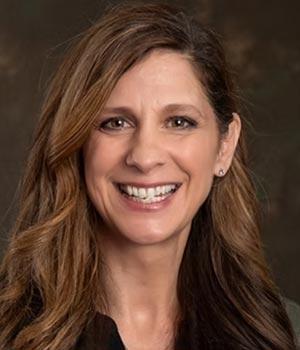
Carla Beatrici, Psy.D.
Dr. Carla Beatrici is a Clinical Psychologist with over 30 years of clinical experience providing psychotherapy to individuals of all ages and with a specialization in child and adolescent mental health. Dr. Beatrici is the President and Clinical Director of a not-for- profit organization, Smart Love Family Services, located in Oak Park and Chicago. The clinic provides a range of services including counseling for all ages, testing services, and parent education seminars. Dr. Beatrici runs the counseling program where she provides clinical training and supervision to ensure the provision of high quality mental health care. She has also developed and implemented Smart Love and Inner Humanism® staff training programs for healthcare professionals in many settings, including Easter Seals, Early Head Start, the American Medical Association, and Children’s Memorial Hospital. These trainings focus on helping caregivers create positive caring relationships with children as a way to build stable inner self-esteem. Dr. Beatrici serves on the Board of the Intrapsychic Humanism Society.
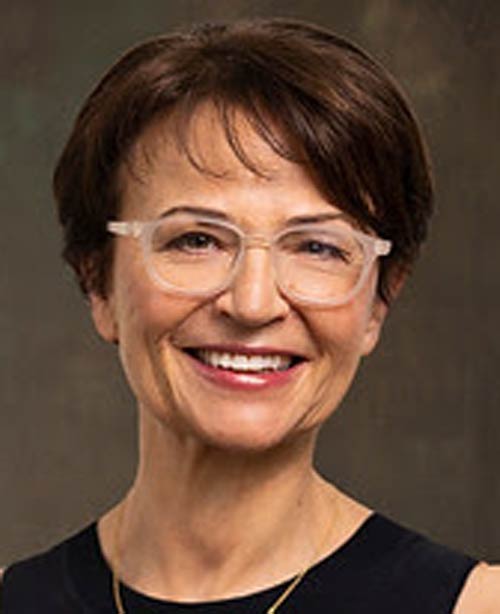
Ilinka Novakovic, LCSW,
Ms. Ilinka Novakovic is a clinical social worker at Smart Love Family Services, who received her MSW from Loyola University Chicago School of Social Work. She is a psychotherapist, parent counselor, and clinical supervisor in Inner Humanism psychotherapy. She leads a training seminar for interns, practicum students, and new therapists on working with parents of clients, and provides consultation to outside agencies. She has extensive experience both writing and presenting child development seminars and courses to parents and professionals. She has worked in several outpatient mental health agencies providing psychotherapy to children, adolescents and adults. Ms. Novakovic has a private practice in Inner Humanism psychotherapy in Oak Park and Chicago, and she is on the Board of Directors of the Intrapsychic Humanism Society.
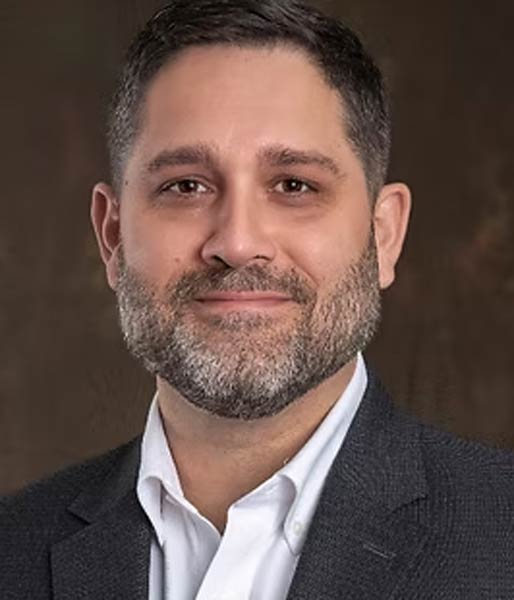
Bill Pasola, Psy.D.,
Dr. Bill Pasola is a clinical psychologist at Smart Love Family Services, who received his Psy.D. from Roosevelt University, where he specialized in child, adolescent and family therapy. He has experience serving a diverse array of clients and his clinical work has spanned short-term crisis intervention to long-term individual Inner Humanism psychotherapy. Dr. Pasola is also a former William J. Pieper Doctoral Fellow at Smart Love.
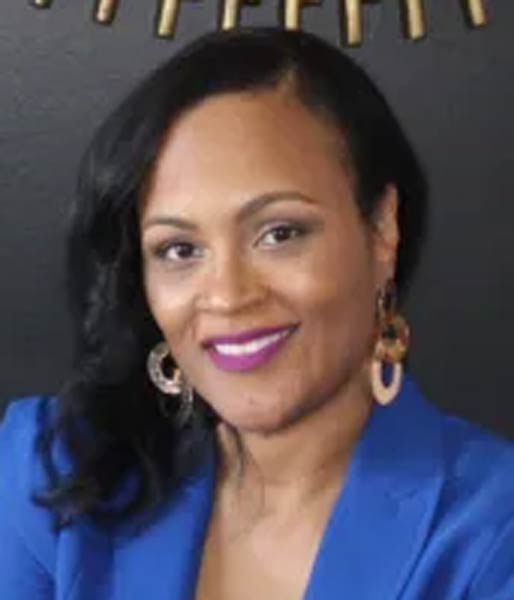
Felicia M. Owens, Psy.D., LPC,
Dr. Felicia M. Owens is a clinical psychologist, formerly at Smart Love Family Services, who received her Psy.D. at the Illinois School of Professional Psychology. She has over 20 years of experience providing psychotherapy to adults, families and couples. Dr. Owens facilitated diversity seminars and workshops at Smart Love Family Services while working in partnership with the Community Mental Health Board of Oak Park to provide ongoing support and services to minority parents and children. She is currently the Director of Clinical Services at Higher Ground Wellness Group.
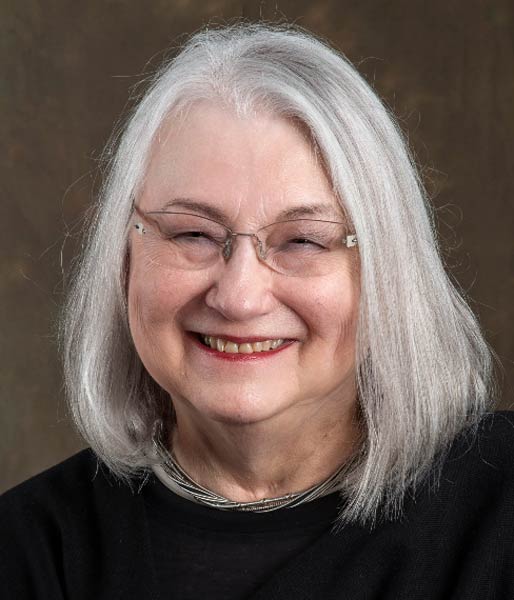
Carol Johnson, LCSW,
Ms. Carol Johnson, formerly a clinical social worker at Smart Love Family Services, received her MSW from Loyola University Chicago School of Social Work, and retired in November of 2025. She worked as a psychotherapist and parent educator using Inner Humanism psychotherapy, and developed an emphasis helping older adults with issues related to aging. She helped build a training group for interns and new therapists to guide them in working with parents of their clients. She started her career as teacher and later worked as a school social worker, where she had the privilege of helping to set up community diversity circles in a school district where 62 languages and cultures would meet to begin to understand each other and enhance a positive community experience. Later, after being hired as the first full-time therapist at Smart Love Family Services, she again worked with parents and grandmothers at Cabrini Green and was a consultant for Early Head Start at Easter Seals. Ms. Johnson was a former adjunct professor at Loyola University Chicago School of Social Work and a member of the Board of Directors of the Intrapsychic Humanism Society.