
Reading Program

Celebrate Our
25th ANNIVERSARY
with Us!
Enjoy 25% Off
All ON DEMAND CE Webinars,
Seminars & Reading Programs!
How to Know When Psychotherapy is Really Working
Martha Heineman Pieper, Ph.D.
Member Rates: Regular: $60 45 | Early Career Professional: $50 37.50 | Student: $40 30
Non-Member Rates: Regular: $65 48.75 | Early Career Professional: $55 41.25 | Student: $45 33.75
2 CEs* for Psychologists, Social Workers, and Professional Counselors
*Applicable for Ethics CEs
Description
Therapists rely on their clinical expertise in evaluating the effectiveness of therapy throughout the treatment process. The author details many experience-near aspects of the therapy process that she recommends therapists focus on in assessing whether their clinical understanding and interventions are having the desired effect, and if not, how they can adjust and tailor them to improve the treatment experience for their clients. There are many challenges in attempting to evaluate an ongoing treatment process for therapist as well as clients, who are simultaneously evaluating the benefit they are receiving. For some clients, therapy progresses in a relatively straightforward manner, while for others it can include periods of significant setbacks and even dissatisfaction. For these and other reasons articulated, it can be hard to distinguish effective from ineffective treatment using the yardsticks of short-term progress and client satisfaction. The author describes why a more reliable indicator to use is stable change over time.
Reflection by therapists on whether they are stably responding from their therapeutic caregiving ideals and motives or unintentionally or inadvertently responding, at times, out of personal feelings, interests, needs, or agendas, is central to evaluating an ongoing therapy process and consistent with the ethical principles of beneficence and nonmaleficence. Genuinely beneficial psychological treatment of any modality requires that the therapist have a stable capacity to remain therapeutic and regulate their personal motives so as not to take the therapy process off course in unproductive ways. The author supplies concrete suggestions for making that crucial distinction. Problems therapists identify through reflection, can deepen and strengthen the therapeutic relationship when therapists are able to respond by reexamining and reordering the balance between their personal and caregiving motives and by seeking consultation where appropriate.
The author describes additional important aspects of an ongoing treatment process to consider and offers helpful yardsticks for determining whether treatment is working as intended and desired. Examples are: (1) whether there is expectable symptom improvement; 2) when setbacks occur, how to distinguish clients’ negative reactions to a beneficial therapeutic process from clients’ negative reactions to inaccurate or unhelpful therapeutic responses; and (3) the important distinction between essential developmental involvement in the therapeutic relationship and client dependency.
Learning Objectives
By the end of the reading program, participants will be able to:
- Describe how therapists can evaluate the quality of the therapeutic process by reflecting on whether their responses to the client are being regulated by their therapeutic caregiving motives or their personal motives
- Describe how therapists can better understand and respond to clients when they are backsliding or making erratic progress
- Describe how therapists can determine when a client’s report of symptom improvement is or is not an accurate/reliable indicator of progress in therapy
- Describe how to understand and assess when clients are truly independent
It’s Easy to Register, Take Programs, and be Awarded CEs
- When you register for a program, a personal account is created for you at My Account
- Log in at My Account using your username and password to access all the programs for which you registered
- After watching seminar and webinar videos and reading articles, log in to My Account to complete the evaluations, exams, and receive your CE Certificates
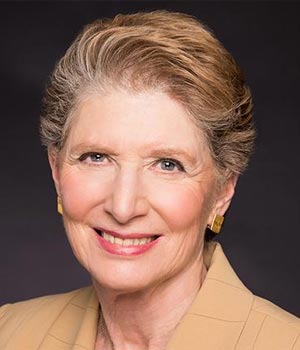
Martha Heineman Pieper, Ph.D.
Dr. Martha Heineman Pieper is an author and psychotherapist who works with children and parents and serves as a consultant to agencies and other mental health professionals. She graduated from Radcliffe College and received her Ph.D. in clinical social work from the University of Chicago. Dr. Pieper is a founding Board member of Smart Love Family Services, for which she provides ongoing consultation and insight to the clinical and early childhood education staff. She also serves on the Board of the Intrapsychic Humanism Society. Both of these non-profit agencies are based on Intrapsychic Humanism, a comprehensive psychology of child development, psychopathology and treatment developed by Dr. Pieper and her late husband, William J. Pieper, MD.
Their theory is published in a scholarly book for professionals, Intrapsychic Humanism: An Introduction to a Comprehensive Psychology and Philosophy of Mind (Falcon II Press, 1990). For the general public, they wrote a best-selling parenting book, Smart Love: The Comprehensive Guide to Understanding, Regulating, and Enjoying Your Child (Smart Love Press, LLC, 2011) and a popular adult self-help book, Addicted to Unhappiness: How Hidden Motives for Unhappiness Keep You From Creating the Life You Truly Want, And What You Can Do (2nd Edition, Smart Love Press, LLC, 2019). Dr. Pieper also authored two best-selling, award winning children’s books, Mommy, Daddy, I Had a Bad Dream! (Smart Love Press, LLC, 2012) and Jilly’s Terrible Temper Tantrums: And How She Outgrew Them (Smart Love Press, LLC, 2017), as well as The Happiest Preschool: A Manual for Teachers with Kelly Perez (Smart Love Press, LLC, 2024).
Dr. Pieper has written and presented on Inner Humanism® psychotherapy, and also on applications of the theory of Intrapsychic Humanism to teaching, parenting, foster care, the question of free will, and children’s dreams and fantasy life, among other topics. Many of her presentations and articles are available as ON DEMAND programs for continuing education credit here.